Computing
Overview:
At Hazel Leys, we know that technology is an integral part of everyday life, with new careers in technology ever evolving. We want to prepare our children for a future which is shaped by technology. It is important that we model and educate our children on how to use technology safely, positively and responsibly. We aim for our pupils to be creators, rather than consumers of technology and our curriculum focused on computer science, information technology and digital literacy to reflect this.
We want our pupils to understand the many choices that come with technology and to understand the lasting imprint their digital footprint leaves. Our computing curriculums aims to engage children in all the different ways that technology can be used positively, moving away from a social media culture. At Hazel Leys, we want the children to become confident with a range of tools to best express their understanding of technology and to feel comfortable using these tools independently as they prepare for key stage 3.
The curriculum fulfils the requirements of the National Curriculum for England. This course of study seeks to show how technology shapes the world around us. The curriculum is split into 6 areas of learning. It is designed so that each year group will complete a unit of work in these different areas once a year. The curriculum is designed on a spiral approach meaning that the themes are constantly revisited so that learning can be consolidated and then built upon.

Intent:
Our Computing curriculum is delivered through the Purple Mash Scheme of Work, which is designed to equip pupils with the knowledge, skills, and understanding needed to thrive in an increasingly digital world. The curriculum enables pupils to use technology purposefully and safely, develop an understanding of programming concepts, and critically evaluate digital content. Learning is carefully sequenced to build progressively on prior knowledge and skills throughout the primary years, ensuring pupils develop confidence and competence across all areas of computing.
By the end of Key Stage 2, pupils will have gained experience in coding, web design, digital presentations, and online safety, preparing them for the next stage of their education and for everyday life in a digital society. The Purple Mash curriculum supports wider educational outcomes by developing problem-solving skills, fostering creativity, encouraging collaboration and teamwork, and promoting responsible digital citizenship.
The Purple Mash scheme is designed to support all learners, with lessons structured to build on previous learning and provide clear progression. Activities are scaffolded to ensure all pupils can achieve success, while opportunities for challenge and deeper learning are embedded throughout the curriculum to extend understanding and develop greater independence.

Implementation:
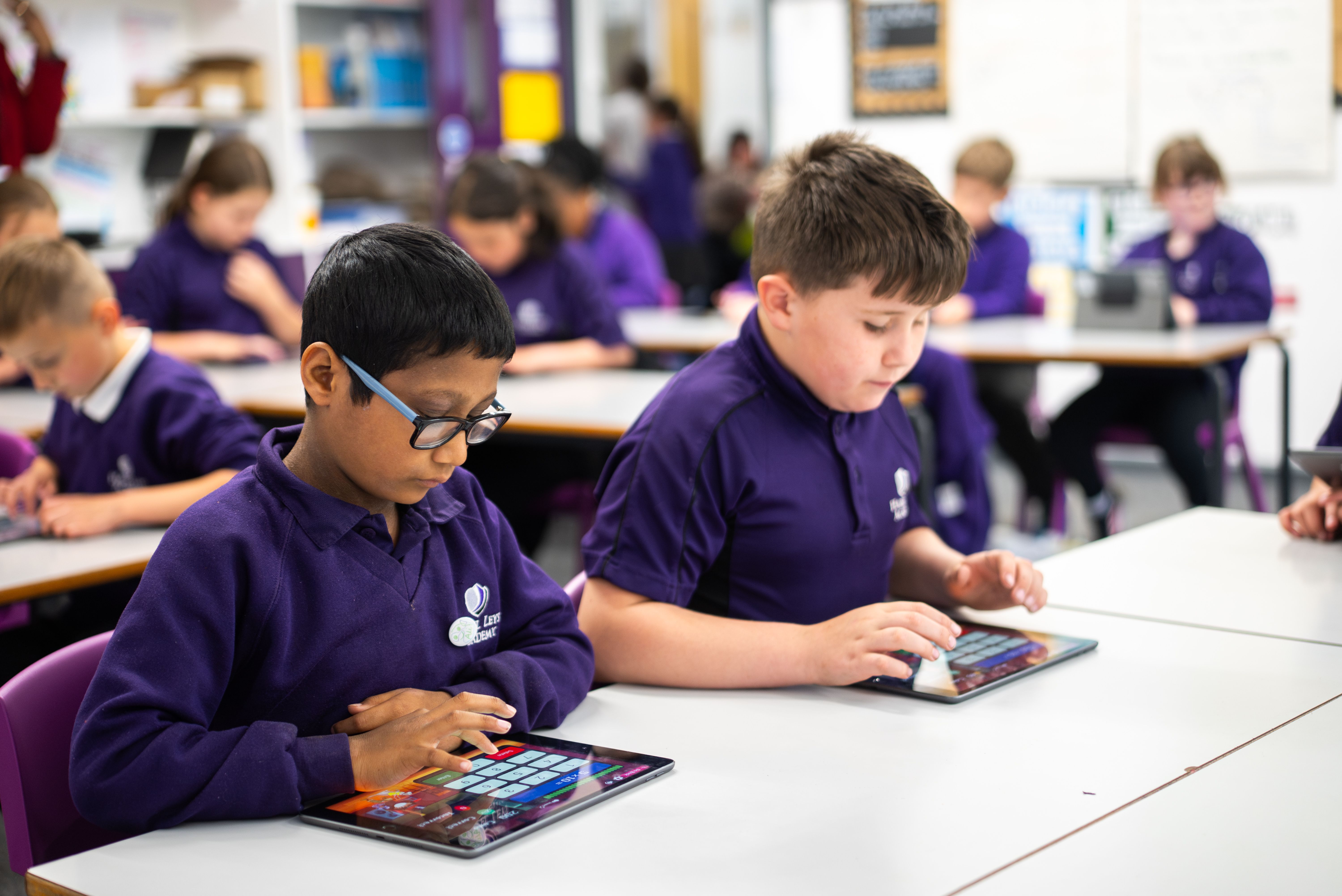
At Hazel Leys Academy, the Computing curriculum is overseen by the subject leader and delivered through the Purple Mash scheme of work alongside bespoke lessons and enrichment activities tailored to meet the needs of our pupils. Computing is taught weekly across all year groups, with opportunities for pupils to apply and extend their knowledge through cross-curricular projects and topic-based learning.
Lessons are carefully sequenced to build upon prior learning, ensuring clear progression in digital literacy, computer science, information technology, and online safety. Purple Mash provides engaging, age-appropriate resources that support inclusive teaching, with scaffolded activities enabling all pupils to succeed while offering challenge and opportunities for deeper learning. Through online safety education, they will learn to navigate the digital environment with confidence, scepticism, and resilience. We are committed to exceeding the minimum expectations of statutory requirements, drawing on government guidance for Computing and online safety. By doing so, we aim to foster critical thinking, reflective learning, and a positive, proactive attitude to technology by teaching weekly online safety lessons.
The quality of teaching and learning is monitored through termly lesson observations, book scrutinies, reviews of digital portfolios, and pupil interviews. Assessment is ongoing and measured against national curriculum objectives, allowing teachers to track progress and identify next steps in learning. Monitoring reports are used to celebrate strengths, identify areas for development, and inform staff professional development. Pupil voice forms an important part of curriculum evaluation, with children regularly sharing their views on Computing, helping to shape future learning experiences and ensuring the curriculum remains engaging, relevant, and responsive to their interests and needs. Feedback from pupils consistently highlights high levels of enjoyment, particularly in coding, digital creativity, and multimedia projects, with verbal and written feedback supporting continued progress and achievement.
EYFS
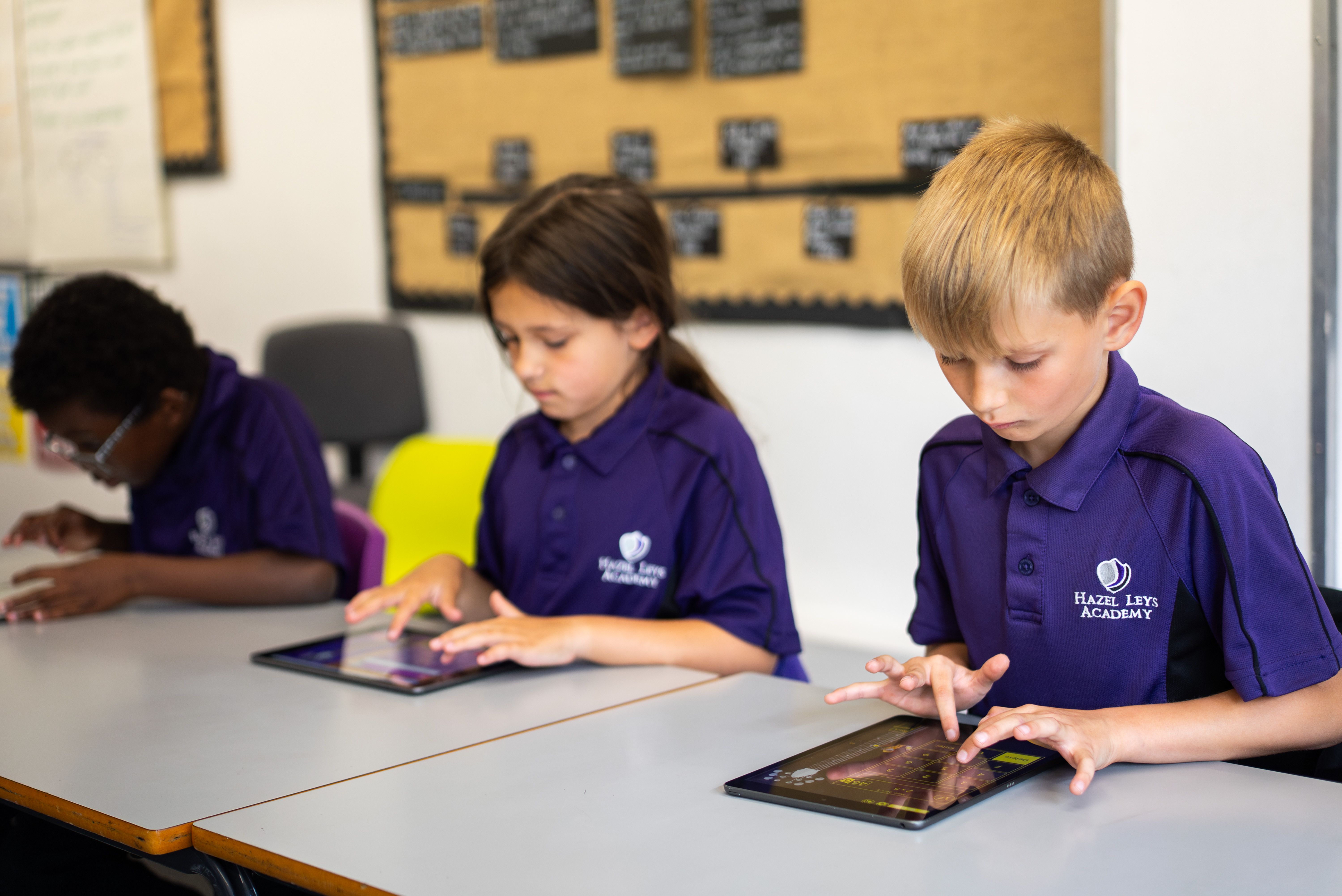
The children in the Early Years will have daily opportunities to use technology. Technology is incorporated into daily lessons, so that the children can see the far-reaching uses that technology can have, but also so that staff can model how to use it responsibly and positively. The aims of technology in the Early Years is to familiarize pupils with technology that will use more formally in Key Stage 1. Children will have access to iPads, interactive whiteboards, laptops, keyboards, bee-bots, cameras, and other recording devices. Staff will use role play opportunities for children to act how they can use technology.
Digital literacy is a fundamental skill for all and this starts in the Early Years. By introducing computing to our youngest pupils, it will help them get to grips with technology, preparing them for a world where digital skills are essential. E-safety is also delivered to the children in EYFS to support them form healthy relationships with technology.
Every unit of work covers all of the Early Learning Goals (ELG’s) within the Early Years Framework.

Impact:
The impact of this curriculum design will lead to progress across key stages relative to a child’s individual starting point and their progression of skills. Our Computing curriculum will also lead pupils to be enthusiastic learners, evidenced in a range of ways, including pupil voice, work scrutiny and confidence when using technology. We ensure that children who are achieving well, as well as those who need additional support, are identified, and additional provision and strategies are planned in and discussed with class teachers.
We will measure the impact of our curriculum through the following methods:
- Annual reporting of standards across the curriculum.
- A reflection on standards achieved against the planned outcomes;
- A celebration of learning for each term which demonstrates progression across the school;
- Pupil discussions about their learning; which includes discussion of their thoughts, ideas, and evaluations of work.
Pupils should leave school equipped with a range of skills to enable them to succeed in their secondary education and be innovative and resourceful members of society. We will be able to evaluate the impact of our Computing curriculum through recording the children’s voice and monitoring the work that they produce through their online portfolio.
We expect that children will able to demonstrate:
- Confidence when using technology.
- An understanding of algorithms.
- An understanding of how computer networks can be used to retrieve and share information.
- An understanding of what a computer is and how its constituent parts function together as a whole.
- How to select and create a range of media.
- How data is stored, organised and used to represent real world artifacts and scenarios.
- An understanding of activities involved in planning, creating and evaluating computing artifacts.
- How to use software tools to support computing work.
- An understanding of individuals, systems and society as a whole interacts with computer systems.
- How to use software to allow computers to solve problems.
- An understanding of risks when using technology and how to protect individuals and systems.
- The end of key stage expectations outlined in the National curriculum for Computing.
Digital literacy is a fundamental skill for all and this starts in the Early Years. By introducing computing to our youngest pupils, it will help them get to grips with technology, preparing them for a world where digital skills are essential. E-safety is also delivered to the children in EYFS to support them form healthy relationships with technology.